
Podcast 267: December Delights! 🌲🌲🌲
It’s December, and there are some wonderful delightful things we’d like to share with you!
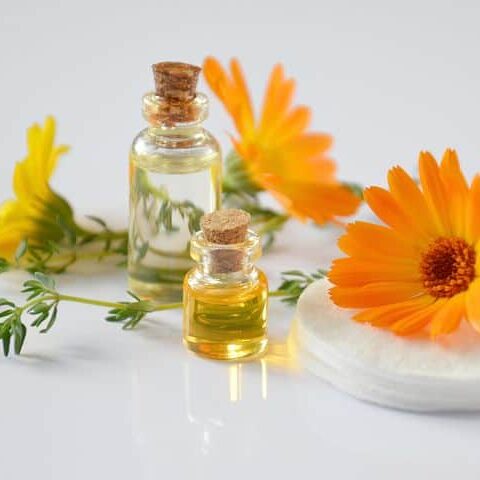
December 2025 Sale Code: CALENDULA
The code for this year’s sale is CALENDULA – use it during checkout to get 20% off everything we offer – all the courses, all the programs, anything on a payment plan, anything at all!
The discount code even works for gifts! Just make sure to check the box that says “this is a gift” and the extra gift information will pop up for you to complete.

Herbal Activity Calendar – Stacked with Holiday Help
The herbal activity calendar is a fun free way to get more herbs into your life. There are recipes, experiments, things to think about, and more – and you can set it up to autoload right into your online calendar if you want to!
You’ll find it right on your student dashboard if you’re a student, and if you’re not, just click here:
For the month of December, the calendar’s stacked up with gift ideas, recipes, and strategies for staying stress-free through the holidays.
So if you’re wanting inspiration for herby gifts you can make for the people you love, you’ll find it in the herbal activity calendar!
2025 Herbal Gift Guide
We’ve compiled a guide to our favorite herbal holiday gifts. It goes out Thursday December 4th, so watch your inbox!
This features friends and allies of ours, as well as makers & artisans who we find particularly excellent and skillful. Herbs, tea blends, remedies, mugs, and delights abound! There’s something for everyone.
The Evergreens 🌲🌲🌲
We’re not leaving you without some herb talk today, don’t worry! This time we’re turning our attention back to our good friends, the evergreens.
Pine, spruce, and fir are all excellent wintertime herbs. Their volatiles give them a stimulating, activating action on our bodies – not just the lungs where it’s most obvious, but also in digestion, the kidneys & bladder, blood circulation, and even the nerves & mind.
Evergreens make excellent tea, but don’t use the needles from your solstice / Xmas tree! They’ve probably got a lot of pesticide residues. Instead, forage after a storm for a downed branch, and work with the needles from that.
Evergreens can also be prepared into steams, elixirs, an evergreen-focused fire cider or thieves’ vinegar, and of course the old reliable resin salve.
- White Pine: Herb of the Week
- HHP 205: Herbs A-Z: Pinus & Plantago
- HHP 146: Herbs Help Us Feel Our Way Through Difficult Times – discussion of evergreens begins ~16:50.
- HHP 258: Herbalists’ Views on the Top-Selling Herbs (Part 7): Tribulus, Pycnogenol, Garlic – Pycnogenol® is a special extract of Pinus pinaster, but we took this opportunity to speak about pines more generally, as well.
- HHP 138: Accessible Herbalism for Respiratory Ailments
If you have a moment, it would help us a lot if you could subscribe, rate, & review our podcast wherever you listen. This helps others find us more easily. Thank you!!
Our theme music is “Wings” by Nicolai Heidlas.
Episode Transcript
Ryn (00:14):
Hi, I’m Ryn. And I’m here at Commonwealth Holistic Herbalism in Boston, Massachusetts. And on the internet everywhere thanks to the power of the podcast. Today it’s December. It was yesterday also and even the day before. But today it’s December on the podcast. And there are some things we want to share with you about this month. It’s a bit of an eclectic list, but it’s all related to December, and the winter holidays, and herbs, and especially the evergreens, as you might have guessed from the little pine trees in the title here. So yeah, I’m just going to jump right in. So, first thing is that I want to let you know about our December sale. If you’ve been around for a while, you know that we do a sale every year in the summertime and in December, and it’s 20% off of everything that we’ve got. All of our individual courses, all of our longer programs that knit a bunch of courses together, everything 20% off with the code CALENDULA. Calendula, it’s not an evergreen, but it is a very sunny flower, very beautiful, and shiny, and yellow, and gold. And it brings that sun energy into the wintertime. So, that’s going to be our code herb for this winter, for December 2025. CALENDULA.
Ryn (01:29):
You’re going to want to use that at checkout. Don’t forget to put it in there, right? And it will work on everything again. It’ll work on payment plans. It works for each payment of the payment plan. So, go for that too. And it also, by the way, works on gifts. Yes, you can give our herbalism courses as a gift to your friends, and your family, and everybody who you really, really like. Just make sure that as you check out, you check the box that says this is a gift. And then some extra information will pop up. You fill that out, and it gets right to the person that you’re sending it to. Yeah. So, as usual, all of our courses can be found at online.commonwealthherbs.com. We’ve got something for everybody. If you’re brand new to herbalism, literally just starting today, don’t worry. We’ve got step one for you. If you’re looking for something more involved. If you’re trying to get deeper into clinical work, or herb-drug interactions, or phytochemistry, we’ve got material about that too. So, something for everybody. Again, all of that is at online.commonwealthherbs.com. And don’t forget to use that code CALENDULA during the checkout process for 20% off. Pretty good, pretty good. Okay.
Ryn (02:41):
So, the next thing is the herbal activity calendar. So, if you’re a student of ours, if you’re enrolled in any courses with us, then you should already know about the herbal activity calendar. It’s part of what you get when you sign up for any course with us. It’s a fun way to get more herbs into your life every single day. And this isn’t just a December thing or a winter thing by the way. This is all year long. We’ve got activities for you every week, every day, to keep you interested and engaged and get you hands-on with your herbalism. At our school we’re always trying to find ways to make it so that you aren’t just learning with your mind, but you’re learning with your senses. You’re learning with your body as well. And the herbal activity calendar is a big way that we work to do that. So, you’ll find recipes and experiments, things to think about, concepts to ponder and to chew over. And again, a lot of hands-on stuff for you to get out and do with your herbs. So, it’s not all just book knowledge or internet knowledge, but it’s hands knowledge. It’s mouth knowledge too, right? And you can actually set that activity calendar up so that it auto loads right into your calendar. If you have a Google calendar or other things like that, you can get it piped right into there so that as you’re checking your schedule for the day, or making sure you don’t miss your appointments, you’re also going to see a reminder. Hey, there are herbs. You’ve been thinking about them, learning about them, organizing them, but now you’ve got to work with them. And it’ll give you that little prompt, that little nudge to get that going.
Ryn (04:13):
For December in the activity calendar you’re going to find gift ideas with recipes as well as a bunch of strategies for staying stress-free through the holidays. Because everybody can use that kind of help, right? So, if you’re looking for inspiration for some herby gifts that you can make for people that you love, well, you’ll find that right there in the herbal activity calendar. So, like I said before, if you’re a student you’ll find it already there for you in your student dashboard. And if you’re not, go to commonwealthherbs.com and put calendar into the search box, and it’ll just pop right up for you. I’m also, of course, going to put a link to the herbal activity calendar in big letters right here in the show notes, so you can pop right over to that as well. Okay? All right. Speaking of herbal gifty stuff, the 2025 Commonwealth Holistic Herbalism Gift Guide is going to go out on Thursday, which is tomorrow if you’re listening to the show on the very day it’s released. Otherwise December 4th is what we’re talking about. If you’re on our mailing list, our email list already, then you’ll get a copy directly into your inbox. In case you’re sometime in the future, right? You’re listening to this, and it’s next week or something. Just go to commonwealthherbs.com/blog, and we’re going to pop that right up to the top. Or just go to commonwealthherbs.com, click on the link for blog, and it’ll be right there for you. All right. Herbal gift guide with all of our favorite cool stuff, including things like some of the mugs that you’ve seen in our videos and some other cool things like that that people keep asking about. So, we’re going to help you figure out where to find those things. All right. Cool, cool, cool.
The Evergreens & Sourcing for Tea
Ryn (05:58):
Okay, so let’s also talk about some herbs, right? Because you’re here for the Holistic Herbalism podcast, and we’re not going to leave you hanging. So, today we’re going to focus on the evergreens. Because it’s wintertime, and we’ve finally just had some real serious snow here where we live. I’m looking out my window. There’s snow hanging on all the pine trees, and the hemlocks, and the fir, and all over the ground and everything. And so every year at this time, evergreens are on my mind and in my world. Yeah. We really love them. We love to put pine needles into tea. We love to work with spruce, and fir, and others in the same way. And so let me dive into that for a moment.
Ryn (06:40):
But first, because we’re getting into some herbal stuff here, I want to just give you a quick reminder that we’re not doctors. We’re herbalists and holistic health educators. The ideas discussed in this podcast are not medical advice. No state or federal authority in the US licenses herbalists. And so these discussions are for educational purposes only. I want to remind you that good health is not going to mean the same thing for everybody. That good health doesn’t exist as one objective standard, but is rather influenced by each individual person’s needs, experiences, and goals. So, we’re not out here trying to present one, dogmatic right way that everybody should follow because everyone’s body is different. And the things we’re talking about may or may not apply directly to you, but we hope that they’re going to give you some new information to think about and some ideas to research and experiment with further. Finding your way to better health is both your right and your own personal responsibility. Now, that doesn’t mean you’re alone on the journey, and it doesn’t mean that you’re to blame for your current state of health. But it does mean that the final decision, when you’re considering any course of action, whether that was discussed on the internet or prescribed by a physician, that’s always your choice to make.
Ryn (07:47):
All right, cool. So, with that said, evergreens, spruce, fir, pine, even hemlock the tree, I mean, can be taken as a tea. And these are really delicious. They taste really good. They for sure have that solstice time, that Christmas time sensation, and feeling, and smell to them. You hand somebody a cup of pine needle tea, and they’re like oh, this is very seasonal. I’m in the holiday mood, yes. So yeah, we just find it really fantastic. And we’ll talk about medicinal attributes in just a moment, but first, one comment. If you bring a tree into your house, or you have one growing in the yard, or something like that. If you bring it in, if you pick it up from somewhere else, it’s better not to work with that for your tea. Not to clip off some of the needles or, or the twig tips, or anything like that. Most of the trees that are sold as Christmas trees or solstice trees in the US have been pretty heavily sprayed with pesticides and fungicides. And the area that they grow in has been sprayed with herbicides as well probably at least three times in the year during their growth periods. So, it’s really difficult to find any trees like that, sold for that kind of purpose, that haven’t ever been sprayed. If you go to a local grower, you might find some that are less sprayed. So, for instance, where we live, our local Christmas tree farm area, they spray only once a year. And they work with like organic-approved sprays whenever that’s possible for them. But it is still a bunch of stuff that’s getting right onto the needles and right onto the part that you would pluck off and put right into your tea. And so that’s not fantastic.
Ryn (09:39):
But fortunately there’s a simple solution, which is to go outside and go to the wild. And the best way to do it really is to get outside and go for a walk, particularly after a storm or a heavy snow when some branches might have fallen down. You’ll find that the pines will have dropped some branches that you can gather. Or some spruce might have dropped some down or something like that. So, the pines in particular, there’s often a whole branch that’s fallen over, and you can just pick that up and carry it home with you. If it’s a spruce or a fir tree, then it might just be that you kind of reach up and you snip off a bit. You know, something like the length of your hand or the length of your forearm, snip that off with some clippers and bring that home. If it’s a fir and a spruce, then you might want to snip from the back of the branch instead of right at the growing tip. But in any case, you’re not going to take enormous amounts, right? You’re going to work with just what you’re going to utilize today. So, the reason for this is that the evergreens don’t dry super well. They tend to lose a lot of their quality in an extended period of drying or storage. So, we’ve mentioned before on the pod about pine, and I’ll link to some previous episodes where we’ve mentioned it. But if you clip off all the needles, or especially pull them off all the twigs and put them in a jar, they tend to turn straw colored, to lose their green and to lose their scent pretty rapidly compared to other herbs that we would store in jars like that.
Ryn (11:18):
So, for that reason, we tend to go out and gather just what we’re going to work with today, or maybe over the span of two or maybe three days at most. And so that might look like one good branch of pine with a bunch of twigs and all the needles coming off of that or several snips of some fir or spruce that you collect and bring home. And so we are going to try to get them into tea, or tincture bottle, or if we’re going to do an oil infusion, or something else with them, we’re going to try and go ahead and do that pretty much right away as soon as we get back. Sometimes we’ll take a branch of pine, and we’ll pull off like half of it, the needles of half of it and put that into our tea for today, And then the rest just leave it on the counter and let that rest there till tomorrow. But generally we are, like I said, going to work with all of it within the span of one to three days kind of at the outside. Yeah. Okay.
Parts to Work with & Energetics
Ryn (12:14):
So with the pines, the spruce, the fir, the main part, and especially for the wintertime, the main part we’re going to work with is the needles. Other times of the year we can do a lot more with the resin because it’s going to be softer and easier to pull off of the tree. Scrape is a word, but I, I kind of do it with my fingers, so it’s not so scrapy. It’s not really like digging into the bark or harming the tree in any way. But in the cold temperatures, the resin hardens up, and you can’t really just tug it off that way. So, in the wintertime we’re going to do more focusing on the needles. All of the evergreens are going to be similar in terms of their energetics and their organ affinities, their herbal actions as well. And so this is why we can kind of speak about them all in a single category, right? There’s not an enormous difference between pine, and fir, and spruce, or for that matter the hemlock scales, or juniper leaf if you find that. They’re all really similar. Cedar leaf, right, they’re all very, very similar in these regards. So, energetically speaking, we’ve got plants that are warming, that are drying, and that are tonifying in nature. Those are the foundational energetics of these plants.
Ryn (13:29):
That means that if somebody’s going to work with these long-term, they’re the best match in a simple preparation for somebody who’s a little on the cool side, a little damp, has a bit of laxity maybe in their mucous membranes or their internal structure. And we’re trying to tighten that up, dry it out a little bit, and heat it up. Remember though that energetics are not a matter of absolutes. And I noticed, especially with new students who are learning these concepts for the first time, there’s often this sensation that I need to match every single herb I take to my exact constitution. And if I run warm, I should never take a warming herb. That’s taking the concept way too far. And that will really hamstring you if you were to follow that very precisely. So, the better way to think about it is well, if I have a tendency that lines up with the energetics of this herb, and that means that the herb would be kind of exacerbating my qualities or pushing them further in that direction, then I just need to find some way to compensate for that. And that might be in the same remedy. You might be like okay, well, I’m going to make my pine needle tea combined with linden. So, linden is cooling, and moistening, and relaxant. It’s, you could say, opposite energetics to what the pine has. And you could make a more neutral preparation that way. Or you could adjust the proportions, and you could have a little bit of pine, a lot of linden, and have that be cooling and moistening for your hot, dry body. Okay. So, that’s all fine.
Ryn (14:55):
But you can also think beyond the single item, right? And again, especially with new students, there can be that idea like all right, all right, Ryn. I get it. So, I don’t have to be too worried about the energetics of any one herb as long as each formula is a perfect match for my body. You’re still going too far, right? You’re still getting into that place of over worry about precision. And so here what you can say is I need to look at the whole course of my day. So, I’m going to think about all the things that have an energetic influence on my body, and my tissue states, and my constitution. And that can be foods that you eat. That can be activities that you perform. And of course that can also be herbs that you work with. So, even if you run super hot, it’s totally fine to make pine needle chai and drink that sometimes. And then have other elements in the course of your day that are going to make sure you don’t overrun, and you get too hot or too dry and cause irritation, right? Maybe later on in the day you make yourself a nice, soothing marshmallow infusion with a little bit of fennel seed in there, and you drink that down, right? Simple. So, don’t get too caught up on perfection in any one remedy, in any one herb. But think about the whole context of each item and the whole course of each day. And that will help you to average it out. And it’ll make you much more free to work with different herbs and to experiment. And that’s the best way to learn, right? So, all right, cool.
Aromatic Volatiles & Affinities
Ryn (16:22):
Now back to the evergreens here. When we take them internally, and when we’re working with the needles, the primary affinity that they have in the body is for the respiratory system: for your lungs, to some extent your sinuses, and your mucous membranes through there. But they also have actions in the cardiovascular system, in the digestive system, the urinary system, and the nervous system as well. And the unifying feature for all of these really has to do with the aromatic elements of these plants, the volatile oils, the things that would get condensed and collected in the essential oil. And, you know, if you want to work with pine, but you don’t have a pine forest around you. Your mobility is limited, or there’s other reasons why you’re not going to go out and gather branches like I’ve been talking. There’s lots of ways for you still to work with pine, right? Prepared products, tinctures, elixirs, salves, things like that. But also essential oil and incense, right? And so we could have pine in a diffuser. We could have pine resin incense, and we could get that scent into the air as well. And that’s a great way to work with the evergreens, right? Even if you have a wood stove or – I don’t know – a radiator that’s on for long parts of the day. You can take your pine needles, put them in some water, set that on top of the warm surface, and that will gently diffuse some pine scent into the air for you.
Ryn (17:45):
So, a lot of the medicine of these plants is carried in those volatiles. And that’s why taking them in a scent preparation – like I say, essential oil diffusion, incense, steam, things like that – that’s a great way to get the benefits that these plants have to offer. You can also see why there’s a respiratory affinity because these things are coming into you, and activating, and interfacing with your olfactory nerves in your nose, with the mucous membranes all through your respiratory tract all the way deep into the lungs. So, those are a bunch of great ways to work with them. But like I said, also actions in these other systems. Because those compounds, once they enter your body, whether that’s through the tea that you drink or through the smell that you inhale, they’re going to move around inside your body. And they’re going to move through your blood, and they’re going to open up the blood vessels a little bit and enable a bit more circulation. They’re going to enliven your digestive organs. They’re going to stimulate them a little bit. Wake up your stomach, get your liver a bit activated, right? These volatiles found in the evergreens are stimulating in nature. You could compare them or contrast them with the ones we get from something like lavender or chamomile, which are more relaxing, and soothing, and quieting to the body. The ones in the evergreens are activating and stimulating. And they’re going to activate, like I say, blood circulation, digestive action, also the urinary process. And so most of the evergreens have at least a little bit of a diuretic quality to them. That’s part of how they exert that drying influence on your body.
Ryn (19:27):
You know, the other main way, particularly if you have a bunch of phlegm in your lungs, and you take a lot of pine tea or pine tincture, then you’re going to have an expectorant effect. You’re going to cough that phlegm up and out. That’s also a drying influence, right? You took a pathologically damp state of the lungs, and you dried it out a bit. Okay, so we have that. But see how stimulation and activation are kind of unifying features of how these herbs act on the organs they touch? They do that on the nerves too, right? And so we do consider, me and Katja here at Commonwealth Holistic Herbalism, we do consider the evergreens to be nervine herbs as well. But they’re nervines with a little asterisk. Because almost all of the time when you hear herbalists use that word nervine, there’s usually a little secret word attached to it, which is nervine sedative. We’re going to have a wonderful nervine sedative blend, right? Usually that sedative, or that calming, or that relaxing, or quieting is implied when people talk about taking nervines. And I think really that’s an artifact of our society. And most people are overstimulated, and agitated, and anxious, and they need some help releasing that and calming down. And so we spend more time talking about nervines to accomplish that.
Ryn (20:43):
If we had some kind of society that was really super chill and just way too spaced out, then maybe we would look more often at nervines. Maybe coffee would be considered a key nervine for that group of people. But you know, we do things by culture. So, when we talk about evergreens, and pine, and spruce, and fir as nervine herbs, it’s a good idea to make the implied word explicit and say these are nervine stimulants. Now they’re mild, right? You’re not going to take pine tincture in the morning, and have it hit you the same way that your caffeine does if you took tincture of green tea, or tincture of coffee bean, or whatever, right? Or if you make a cup of spruce needle tea in the morning, it’s not quite the same as drinking green tea. Although I will note that it does combine very, very nicely with green tea. And having evergreens plus green tea together in the morning is a wonderful way to wake yourself up. But nevertheless, they are stimulating. They are enlivening. They help to wake up your mind and your brain. And these can be very helpful for people who are feeling chronically spaced out or mentally depressed in the sense of slowed down, right? I’m often recommending working with some evergreen herbs in a combination. It could be with others. It could be with rosemary, and tulsi, and ginkgo, and stuff like that. But I often really do like to incorporate some evergreens into a blend like that to wake up the brain, wake up the mind, and to lift the spirits a bit. So, yeah, let’s not leave that action of these out when we discuss them.
Ways to Work with Evergreens
Ryn (22:23):
In terms of ways to take and to work with your evergreens, I’ve mentioned several already, right? So, all of the scent methods are really cool there. That’s diffusion of essential oil, incense, potpourri, all that kind of stuff is really fantastic. Simple tea, just infusing the needles into good hot water is fantastic. When you do that, it’s good to hover over your teacup, and as it’s infusing breathe in that steam, right? There’s a lot of good stuff in there. Of course you can just gather a whole handful of needles and toss them into a steam. A pot of boiling water, toss them in there, throw the blanket over yourself, breathe in the steam. Fantastic. Not just good for your respiratory system, by the way. Also your eyes, your skin, and to some extent even the ears when you do a steam under there. So, nice stuff for clearing your head in several directions. We can make tinctures out of the evergreen needles. We can make elixirs, right? So, you could take part of your needles and infuse them in alcohol, part of them and infuse that into honey. Let them do their thing and then combine them when they’re all strained out. Very, very nice. Evergreen elixir, delicious stuff. You can make a bitters blend focused on evergreens as well. You’re going to need some other herbs to really bitter it up. But if you have centaury and then pine needle, fir and hemlock altogether, that’s a really nice bitters mix. I like that quite a lot.
Ryn (23:47):
You could take evergreens and incorporate them into your fire cider. Nothing to stop you, right? Do put a good, solid amount of the pine needles or other evergreen into there, though. There’s a lot of pungency and flavor potency in the ginger, the horseradish, the turmeric if you put that in there, right? And so for the evergreen to come through, you want to like have at least half of the plant material stuffed into that jar by volume be your pine needles. And then it will come through in the vinegar that you produce from that. Yeah. If you’re not familiar with fire cider, it’s a vinegar preparation of pungent herbs. But you can absolutely sneak aromatics into there, and that’s where the pines and the evergreens are going to come in. You can also make a version of the four thieves vinegar recipe that’s got evergreens focused on it. That’s a vinegar infusion more of aromatic plants classically done with rosemary, and lavender, and sage, and things like that. But you could totally go ahead and put a whole part or several parts of evergreen into it and have a nice four thieves in the evergreen forest. Four thieves in the evergreen trees, yeah, something like that. That’d be good stuff. And then, just because we’re on the subject, I want to re remind everybody that the resins are fantastic. And resins are great when they’re infused into oils to make massage oil or wound care oil, and also when they’re infused into infused into oil and then prepared with wax into a salve. And pine resin salve is our number one wound care item to keep in all the first aid kits everywhere and serves a bunch of other purposes besides. So, we’ve spoken a lot about that in previous episodes. I’m going to link to several of them in the show notes.
Ryn (25:32):
And remember, anytime you hear us talking about pine, you can kind of mentally fill in fir, spruce, other evergreens that grow near you. Almost all of them can be worked with in the ways that I’ve been describing, especially for short-term, right? There’s a couple of evergreens out there that have some cautions around long-term, high dose intake of them. But if you’re talking about a cup of tea here and there, a few days of it and then a break for a little while. Even with some of the ones you’ll see warnings about, it’s actually quite safe. And if you’re ever uncertain, then you can always reach out to us, and we can help you out. Remember, if you’re a student of ours, any of the courses that you’re working in, any video you’re looking at or text file, up in the corner there’s a button for discussions. That’s the place. Open that up, type in your question. It’ll come to our whole faculty. We’ll get an answer out to you within a day in most weeks.
Ryn (26:26):
And we’re always here to help you out and to give you solid, trustworthy advice, especially when it comes to safety, and efficacy questions, and things like that. That’s where we want you to go for those, right? We do have a student community, and that’s for discussions. And that’s more focused on here’s something I’m trying. Here’s an experiment I did. Here’s an herbal success I had. Here’s a recipe I really like. But when it comes to questions about safety, when it comes to questions about what’s going to work for a problem at hand, then we want you to have answers that you can trust. We don’t want you to feel like you’re just crowdsourcing this information, or that you’re doing something a step above Googling it, especially the new Google, right? So, we’re available to all of our students in that way. That’s part of what you get when you sign up for any courses with us. And that’s how we want you to grow into your own confidence. So that you can feel good about not just getting answers to questions, but learning about how to get those answers, how to think through a problem. There’s sometimes when you’ll ask a question, and we’ll say you can figure this out. Let me remind you about a few things, and we’re going to work it back and forth together. Don’t worry, we’re never going to leave you in the lurch. But we feel like that’s an important part of your training as an herbalist. It’s not just about memorizing facts, it’s about learning skills of thinking and skills of investigation.
Ryn (27:48):
So, if that’s motivating you to do some herbal learning, then remember, for the entire month of December 2025, you can use the code CALENDULA during the checkout process. Don’t forget to put it in there, okay? But you can use that during the checkout process for 20% off any course, any program that we offer, all the payment plans, everything. It’s all on sale for the whole month. It works for gifts as well. If you’ve got a friend of yours who could stand to learn a bit of herbalism, it works for that too. So, we hope you’ll take advantage of that during this time. All right, that’s going to be it for the Holistic Herbalism podcast today. Thank you for listening. I hope you learned some interesting things about evergreens, and that you’re motivated to get out there and maybe even climb one carefully. We’ll be back with some more Holistic Herbalism podcasts soon. Until then take care of yourselves. Take care of each other. Drink some tea. And put some needles in it if they came from a tree. All right, everybody. Take care of yourselves. Bye.
Join our newsletter for more herby goodness!
Get our newsletter delivered right to your inbox. You'll be first to hear about free mini-courses, podcast episodes, and other goodies about holistic herbalism.